
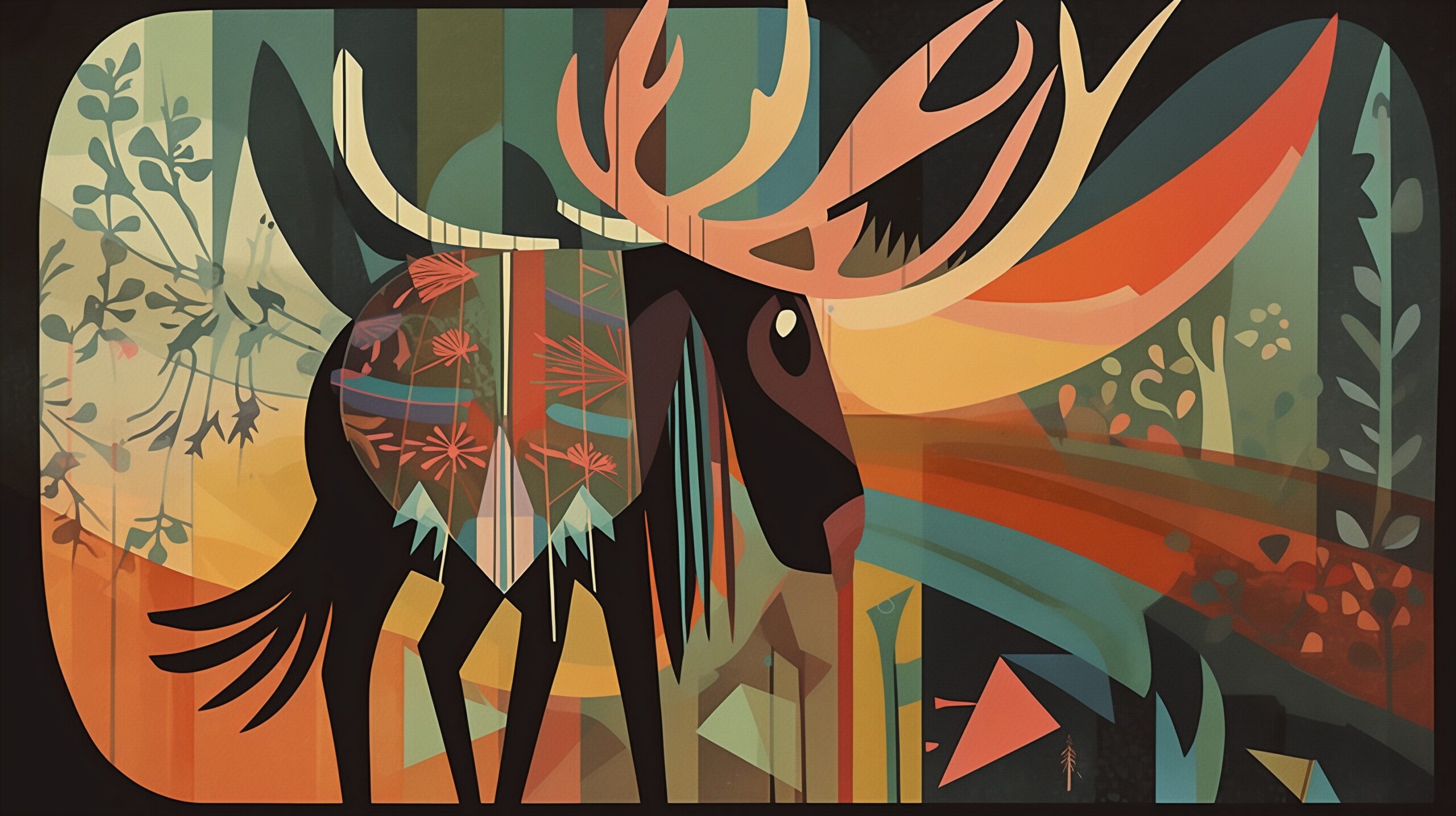
In this brief communication, we explore the fascinating interplay between the Sumerian mages’ ritual practices, the presence of moose in ancient Mesopotamia, and the use of fungus in their ceremonial rites. Our bioarchaeological investigation reveals a tripartite relationship where the moose, a rare and possibly sacred animal to the Sumerians, and various fungi, which may have had both psychoactive properties and medicinal uses, played significant roles in the spiritual and healing practices of these enigmatic figures. Analysis of zoological remains, botanical evidence, and inscriptions has yielded insights into how these elements were woven into the fabric of Sumerian ritual life, offering a unique perspective on the complexities of their ceremonial traditions.
The Moose in Sumerian Literature and Art
The presence of the moose in Sumerian literature and art is a subject that beckons a closer examination, not only for its apparent anomaly within the zoological landscape of ancient Mesopotamia but also for its symbolic resonance within Sumerian culture. Despite the scarcity of direct references to moose in the extant cuneiform corpus, a nuanced interpretation of artistic depictions and literary motifs suggests a complex symbolic role for this creature.
Artistic representations, though rare, often portray the moose in contexts that emphasize its strength and majesty, perhaps symbolizing aspects of the wilderness that were both revered and feared. These depictions, found on cylinder seals and wall reliefs, show the moose in a stylized manner, highlighting its distinctive antlers and imposing presence. Such artistic choices may reflect a broader thematic association of the moose with the untamed aspects of the natural world, serving as a metaphor for the forces of chaos and order that the Sumerians believed governed the cosmos.

In literature, while direct mentions of the moose are elusive, the analysis of animal symbolism within Sumerian epics and hymns reveals indirect references to attributes commonly associated with the moose, such as endurance, sovereignty, and a connection to the earth’s fertility. These texts often employ a rich tapestry of animal imagery to convey deeper theological and philosophical meanings, with the moose’s characteristics potentially serving as allegories for the virtues and challenges faced by deities and mortals alike.
The discussion of the moose in Sumerian art and literature, therefore, opens a window into the Sumerians’ relationship with their environment and the symbolic frameworks they used to interpret the world around them. It underscores the importance of animals in the Sumerian imagination, serving as conduits for expressing complex ideas about divinity, nature, and human experience. While the evidence for the moose’s presence in Sumerian culture is indirect and requires interpretative caution, it nonetheless contributes to our understanding of the rich symbolic language that characterized one of the world’s earliest civilizations.
Ritual Significance and the Mage’s Relationship with the Moose
The ritual significance of the moose in Sumerian practices, particularly in the context of the mages’ ceremonial activities, presents a fascinating aspect of ancient Mesopotamian spirituality. The mage, as a mediator between the mundane and the divine, utilized various elements of the natural world to forge a connection with the supernatural. Within this paradigm, the moose emerges not merely as an animal but as a potent symbol and participant in rituals aimed at harnessing the forces of nature and the cosmos.
The relationship between the mages and the moose can be understood through the lens of animism and totemism, which were likely prevalent in Sumerian spiritual practices. The moose’s attributes—strength, resilience, and a commanding presence in the natural world—aligned with the qualities sought by mages in their ceremonial endeavors. It is conceivable that the moose was invoked as a totemic spirit in rites of protection, fertility, and divination, its essence called upon to empower the rituals and imbue them with its vitality.

Moreover, the mage’s interaction with the moose within ritual contexts may have extended to the use of moose-derived materials—antlers, bone, and hide—in the creation of talismans, amulets, and other ritual paraphernalia. Such objects would have been charged with the symbolic power of the moose, believed to confer its attributes upon the bearer or the ritual space. This practice underscores the material connection between the mage, the moose, and the spiritual aims of the ceremony, bridging the physical and metaphysical realms.
The use of moose imagery and symbolism in Sumerian rituals also speaks to a broader cosmological view in which animals played a critical role in the structure of the universe and the maintenance of cosmic order. Through the lens of the mage, the moose becomes a microcosm of the natural world’s majesty and mystery, a living symbol of the earth’s abundance and the untamed forces that the Sumerians sought to understand and influence.
In summary, the ritual significance of the moose and its relationship with the Sumerian mage highlight the complex interplay between spirituality, symbolism, and the natural world in ancient Mesopotamian societies. This dynamic relationship underscores the integral role that animals, real and mythologized, played in the religious and ritualistic practices of the Sumerians, reflecting a deep reverence for and understanding of the natural world’s power and mystery.
The fragility of cultural heritage in wartime Iraq
Reflecting on the bygone era of archaeological endeavors in south-central Iraq during the reign of the Ba’athist government, one cannot help but feel a deep sense of melancholy for the historical treasures that have since been lost or damaged in the turmoil of the Iraq War. The once-steady collaboration with local officials, albeit fraught with the complexities of diplomatic navigation, now stands in stark contrast to the irreversible losses inflicted upon ancient sites in the wake of conflict.

The stringent regulations and oversight of the past, which at times slowed the excavations to a painstaking pace, appear in hindsight as a period of relative order amidst the subsequent chaos. Researchers who once lamented the bureaucratic hurdles of the Ba’athist regime now mourn the artifacts and structures that were casualties of war. The challenges of the past pale in comparison to the profound sadness felt over the cultural heritage that has been forever altered or erased, a poignant reminder of the fragility of history and the importance of its preservation.
Leave a Reply